
Healthcare independence
The Healthcare System Was Built for Someone Else.
A practical roadmap to leaving commercial insurance behind. For executives, business owners, and professionals ready to pay for the care they actually use — instead of subsidizing a system designed around someone else's life.

If You're Paying More Than $1,000 a Month, Here's What's Happening.
The Problem
The math is brutal once you look at it. A healthy 45-year-old in California pays around $16,800 a year for unsubsidized coverage. The actual healthcare most healthy adults consume — two physicals, a few sick visits, the occasional procedure — costs under $2,000.
The other $15,000 isn't wasted. It pays for the administrative machinery, the cross-subsidization of higher-cost patients, the negotiated discounts that don't apply to you. That's not the world you live in. And there's a better architecture available.

$16,800
$16,800Average annual cost of unsubsidized commercial insurance for a healthy 45-year-old in California
The contrast
The Same Protection at a Fraction of the Cost.
Reference case: a healthy 45-year-old California professional moving from employer-sponsored insurance to the alternative architecture.
Commercial insurance
$1,400
per month
Alternative architecture
$565
per month
$50,100 saved over five years. Younger clients save less in absolute dollars; families and older clients typically save more.
The Three-layer Architecture.
The framework
Almost everyone using an arrangement outside commercial insurance is using some version of the same structure.
LAYER 1
Direct Primary Care. A flat monthly fee for unlimited access to your physician.

Your Everyday Doctor

LAYER 2

Specialists and Procedures
The cash-pay and transparent-pricing ecosystem.
LAYER 3

Your Safety Net
A healthshare or ACA Bronze plan with HSA, depending on your fit.

Get the full guide
Healthcare Independence: The Complete Roadmap.
A 14-page guide written for people considering this transition seriously. Inside:
Why this works in 2026 the way it didn't in 2024 ›
The four real options at the catastrophic layer ›
Five questions to ask yourself before making this change ›
California-specific considerations and the state mandate workaround ›
Is this for you?
Honest Signals About Fit.
This approach isn't right for everyone. Being clear about that is part of why people trust this guide.

Strong Signs of Fit
Generally healthy, no major active conditions
Leaving an employer plan or already paying individual
Can absorb an unexpected $5K to $10K medical bill
Value access to your doctor over insurance branding

Probably Not Right Yet
Active serious condition or recent major event
Currently pregnant or planning within 6 months
Household income below 250% of FPL
Unexpected bills would cost you sleep

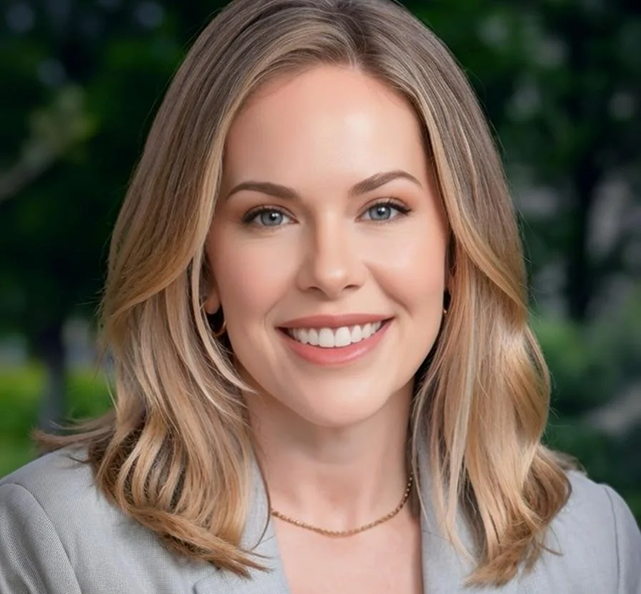
About
Why I work on this.
Most consulting careers don't end up here. Mine did because the math was too obvious to ignore.
After twenty-five years inside corporate America, I watched too many smart, healthy people pay enormous premiums for a system that wasn't designed around them.
When I left to start Keller Coast Consulting, the healthcare conversation kept coming up with every executive client thinking about the same transition. So I built it into a practice.
What people ask before deciding.
Common questions

-
Yes. Healthshares have operated legally in the United States since the 1980s and are explicitly recognized in California as a valid exemption from the state's individual mandate.
-
Established healthshares like Zion, Sedera, CHM, and Medi-Share have decades of track record sharing major medical events including cancer treatment, cardiac surgery, and extended hospitalizations.
-
Several major plans have a Christian faith requirement, but Zion, Sedera, and CrowdHealth are open to anyone regardless of religious belief.
-
Handling varies dramatically by plan. The full guide walks through what to look for.
-
California operates its own individual mandate, but healthshare membership is an explicit exemption.
Ready to talk
Skip the guide and just talk?
Schedule a 30-minute discovery call. We'll model your specific savings and figure out whether this is worth pursuing.